
Transform Your Garden with Modern Glass Pergola Designs
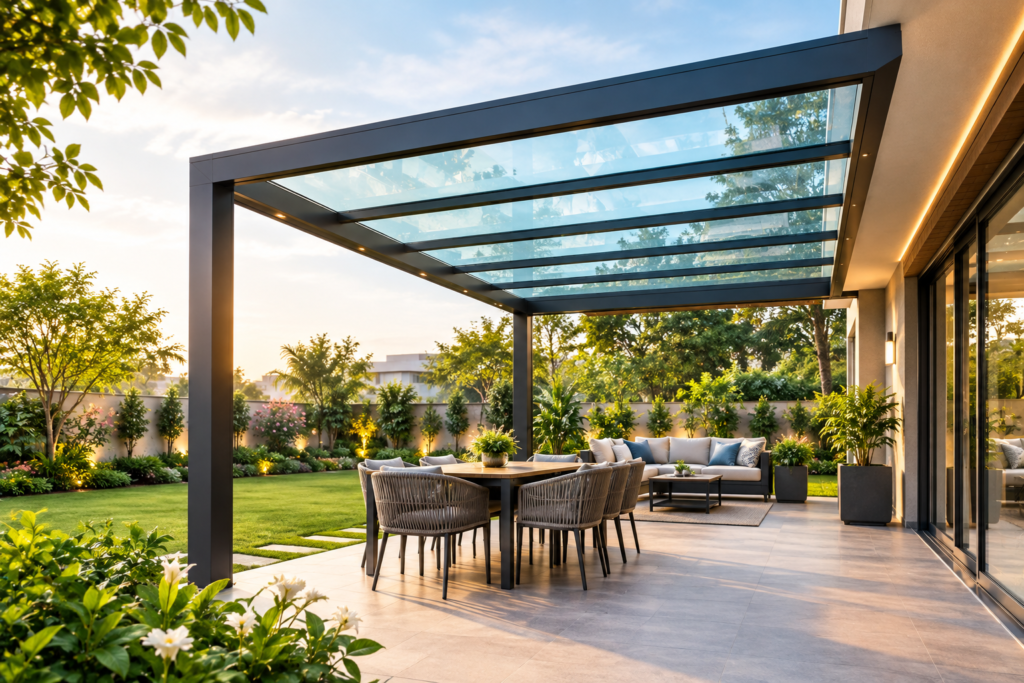
A beautiful outdoor space can transform the way you enjoy your home. Whether it is a landscaped garden, a spacious patio, or a rooftop terrace, the right design can turn an ordinary area into a comfortable and visually appealing retreat.
One increasingly popular option is a modern glass pergola. Combining a transparent glass roof with a carefully designed supporting structure, a glass pergola creates a distinctive architectural feature while maintaining a connection with the outdoors.
Unlike an open pergola, a glass-roof pergola can provide overhead shelter while allowing daylight to enter. With the right combination of glass, framing, drainage, and shading, it can become a practical addition to contemporary homes, villas, gardens, and commercial outdoor spaces.
In this guide, we explore how glass pergola designs add luxury to gardens and patios, the benefits they offer, the different design options available, and the factors to consider before installing one.
What Is a Glass Pergola?
A glass pergola is an outdoor structure featuring a roof made from glass panels supported by a suitable frame, commonly aluminium or steel. Depending on the design, the structure can be attached to a building or installed as a freestanding feature.
The glass roof helps create a defined outdoor area without completely blocking daylight or views of the sky.
Modern glass pergolas can be customised to suit different architectural styles, available spaces, and functional requirements. Common applications include:
- Garden seating areas and landscaped backyards
- Residential patios and outdoor dining spaces
- Rooftop terraces and luxury villas
- Poolside relaxation areas
- Restaurant and café seating areas
- Covered walkways and outdoor lounges
- Contemporary commercial and hospitality properties
The main advantage is the combination of a modern appearance and practical overhead coverage. However, the actual level of protection depends on the complete pergola design and installation quality.
7 Ways Glass Pergola Designs Add Luxury to Your Outdoor Space
1. Create a Modern and Sophisticated Appearance
A glass pergola can give a garden or patio a cleaner, more contemporary appearance. Transparent glazing combined with a slim aluminium or steel frame creates a distinctive architectural feature without visually dominating the surroundings.
The design can complement modern villas, minimalist homes, landscaped courtyards, and contemporary commercial properties.
For a more coordinated look, choose a frame finish that matches your windows, exterior doors, balcony railings, or other architectural elements.
Design tip: Black or charcoal frames can create a strong contemporary look, while lighter finishes may complement softer exterior colour schemes. The best choice depends on the property’s overall design.
2. Maintain Natural Light and Garden Views
One of the main reasons homeowners choose a glass pergola roof is its ability to maintain daylight and visual openness.
A solid roof can make a covered area feel darker, particularly when it is attached to the house or positioned near windows. Transparent glass allows more daylight to pass through, helping preserve the connection between indoor and outdoor spaces.
A glass pergola can be especially effective above a patio connected to a living room, a garden-facing dining area, or a rooftop seating space.
Keep in mind that glass transparency, tint, coatings, dirt, and the surrounding building orientation all influence the amount of light entering the space.
Design tip: If preserving daylight is a priority, discuss the visible-light transmission of the proposed glass with your installer before making a selection.
3. Transform Your Patio into an Outdoor Living Area
A patio can serve many purposes, from family dining and entertaining guests to relaxing with a book or enjoying a morning coffee.
A glass pergola helps define this space and gives it a more finished appearance. With suitable outdoor furniture, coordinated flooring, and carefully planned lighting, the covered area can become a natural extension of the home’s living space.
For example, a patio beside sliding glass doors can be designed with a matching frame finish to create a cohesive transition between the interior and garden.
Design tip: Plan the furniture layout, circulation space, roof drainage, and access points before finalising the pergola dimensions.
4. Enjoy Outdoor Seating with Better Rain Protection
An open pergola provides limited protection from rainfall, while a properly designed glass roof can offer shelter over a garden seating or dining area.
This makes glass pergolas worth considering for patios where homeowners want to protect outdoor furniture and maintain a more usable covered space.
However, effective rain protection requires more than installing glass panels. The roof slope, joints, flashing, gutters, drainage outlets, and building connections must all be designed appropriately.
Wind-driven rain can also enter from open sides, so a glass pergola should not automatically be treated as a completely weatherproof room.
Design tip: Ask your installer to explain how rainwater will drain from the roof and how the structure will connect to the existing building, if applicable.
5. Enhance the Garden with a Stylish Focal Point
A well-designed pergola can become the visual centrepiece of a landscaped garden.
Glass roofing works particularly well when the goal is to preserve views of plants, lawns, decorative pathways, and surrounding architecture. The transparent surface can help maintain the visual openness of the landscape while defining a dedicated seating area.
You can complement the structure with carefully selected plants, outdoor furniture, planters, and landscape lighting.
Design tip: Keep the surrounding design balanced. A simple frame, appropriate furniture, and well-positioned greenery can often create a more refined appearance than adding too many decorative elements.
6. Customise the Design to Suit Your Property
Modern glass pergolas are not limited to one standard layout. Their dimensions, frame materials, roof configuration, and additional features can be selected according to the property and intended use.
Popular options include:
- Minimalist glass pergola: Clean lines and simple framing for contemporary homes.
- Garden glass pergola: A covered seating area surrounded by plants and landscaping.
- Patio glass pergola: A roofed outdoor dining or relaxation space connected to the house.
- Rooftop glass pergola: A terrace feature designed around views, wind exposure, and structural requirements.
- Glass pergola with side glazing: A more sheltered arrangement using suitable fixed or sliding glass panels.
- Glass pergola with integrated lighting: A design that incorporates lighting for evening use.
Each option has different practical requirements. For example, adding side glazing can reduce wind exposure but may also affect ventilation and heat build-up.
Design tip: Choose a design based on how you will use the space, rather than selecting a style solely because it looks attractive in a photograph.
7. Improve the Overall Appeal of Your Property
Outdoor spaces are an important part of a property’s overall presentation. A thoughtfully designed glass pergola can help create a more organised, polished, and inviting exterior.
For homeowners who enjoy entertaining, it can provide a defined area for guests. For commercial properties, it may help create an attractive outdoor seating environment.
The effect on property value depends on the local market, construction quality, design suitability, and buyer preferences. A glass pergola should therefore be viewed primarily as a functional and aesthetic improvement rather than a guaranteed financial investment.
Choosing the Right Glass for a Pergola Roof
Glass selection is one of the most important decisions in a pergola project. The roof is exposed to environmental conditions, and the glass must be suitable for its dimensions, support arrangement, wind loads, and intended use.
Toughened Glass
Toughened glass is heat-treated to improve its strength compared with ordinary annealed glass. When it breaks, it generally fragments into smaller pieces.
It is used in many architectural glazing applications, but its suitability for a pergola roof depends on the complete design and applicable safety requirements.
Laminated Safety Glass
Laminated glass consists of glass layers bonded together with an interlayer. The interlayer helps hold fragments together if the glass breaks.
For overhead glazing, an appropriately specified laminated construction can be important for reducing the risk of broken glass falling from the roof.
The exact glass construction must be selected according to the project requirements and relevant standards.
Solar-Control Glass
Solar-control glass is designed to reduce solar heat gain while allowing some daylight to pass through.
It may be useful for pergolas exposed to strong sunlight, especially where the aim is to maintain brightness while improving thermal comfort.
Performance varies with the glass specification, coating, tint, orientation, and shading.
Tinted Glass
Tinted glass can change the appearance of a pergola roof and reduce the amount of visible light entering the covered area.
However, the level of heat reduction depends on the specific product. Tint alone should not be assumed to provide adequate solar control.
Important: Never choose pergola roof glass on thickness or appearance alone. A qualified glazing professional should specify the complete glass construction, supports, fixings, and safety measures for the intended overhead application.
Glass Pergola vs Traditional Pergola: Which Should You Choose?
Both glass and traditional pergolas can improve an outdoor space, but they offer different experiences.
| Feature | Glass Pergola | Open Traditional Pergola |
|---|---|---|
| Appearance | Contemporary and refined | Classic, natural, or modern |
| Natural light | Depends on glass clarity and specification | Light passes through open roof gaps |
| Rain protection | Possible with a properly designed roof | Usually limited |
| View of the sky | Visible through transparent glazing | Open sky between beams |
| Heat management | May require solar-control glass or shading | Depends on shade coverage and orientation |
| Maintenance | Glass cleaning and drainage checks | Depends on frame material and finish |
| Best suited for | Covered patios and light-filled outdoor spaces | Partially shaded gardens and open-air seating |
Choose a glass pergola if you want a defined outdoor area with daylight, garden views, and overhead coverage.
An open pergola may be more suitable if you prefer maximum openness, airflow, and partial shade without a glazed roof.
The right choice depends on your budget, climate, available space, and expectations for rain protection and shade.
Important Factors to Consider Before Glass Pergola Installation
A successful glass pergola installation starts with careful planning. Before finalising your design, consider the following factors.
1. Structural Support
The supporting frame, connections, and foundations must be designed to carry the glass and withstand applicable wind and other structural loads.
Rooftop and elevated installations require particular attention to wind exposure and the load-bearing capacity of the existing structure.
2. Roof Slope and Drainage
Water must drain away effectively rather than collect on the glass roof.
The installer should plan the roof slope, gutters, drainage outlets, flashing, and connection details before fabrication and installation.
3. Heat and Glare
A transparent roof can allow significant solar heat to enter the covered area, particularly during hot weather.
Depending on the orientation and intended use, consider solar-control glass, compatible external or internal shading, and suitable ventilation.
4. Weatherproofing
Joints, perimeter connections, sealants, and flashing influence how well the structure manages rainwater.
For a pergola attached to a building, the connection must be detailed carefully to reduce the risk of water entering the existing wall or roof.
5. Safety and Local Requirements
Confirm that the glass, frame, anchors, and supporting structure are appropriate for the proposed installation.
Check relevant building requirements and permissions before construction, particularly for rooftop installations or structures attached to existing buildings.
6. Cleaning and Maintenance Access
Glass roofs can accumulate dust, leaves, water marks, and other deposits.
Plan how the roof will be cleaned and inspected safely. Never walk on a glass pergola roof unless it has been specifically designed and approved for that loading.
How to Maintain a Glass Pergola
Regular maintenance helps preserve the appearance and functionality of a glass pergola.
- Clean the glass: Use suitable glass-cleaning products and non-abrasive equipment.
- Inspect drainage: Remove leaves and debris from gutters and outlets.
- Check the seals: Look for deterioration or signs of water leakage.
- Inspect the frame: Check for corrosion, loose connections, or visible damage.
- Review after severe weather: Arrange a professional inspection if you notice movement, loose fittings, or damaged glass.
- Use safe cleaning methods: Arrange suitable access equipment or professional cleaning for overhead glazing.
If you discover a cracked panel or a loose structural component, keep people away from the affected area and have it assessed by a qualified professional.
What Determines the Cost of Glass Pergola Installation?
The cost of a glass pergola depends on its design, dimensions, materials, and installation requirements. A small garden structure and a large rooftop pergola may involve very different levels of work.
Important cost factors include:
- Total roof area and pergola dimensions
- Glass specification and panel sizes
- Aluminium or steel frame design
- Structural supports and foundations
- Site access and installation complexity
- Drainage and weatherproofing requirements
- Solar-control glass or shading options
- Lighting and additional features
When comparing quotations, ask for a clear breakdown of materials, glass, framing, hardware, installation, drainage, and finishing.
A detailed quotation helps you compare like-for-like specifications rather than selecting an installer based only on the lowest initial price.
Why Choose Smartglass Studio for Glass Pergola Solutions?
Smartglass Studio provides modern glass solutions for residential and commercial properties, helping customers explore glass designs that complement contemporary architecture.
If you are planning a garden makeover, patio upgrade, or rooftop seating area, a glass pergola can be designed around the available space, preferred frame finish, daylight requirements, and intended use.
The right installation begins with careful site assessment, appropriate glass selection, structural planning, effective drainage, and attention to finishing details.
Smartglass Studio serves customers across Faridabad, Delhi, Noida, Gurugram, and Ghaziabad.
Explore the Smartglass Studio website to learn more about its glass solutions and discuss your project requirements.
Conclusion: Upgrade Your Outdoor Space with a Modern Glass Pergola
A glass pergola can bring together contemporary design, natural light, and practical overhead shelter to create a more inviting garden or patio.
From minimalist aluminium-framed structures to landscaped garden seating areas and rooftop terrace designs, there are options to suit different properties and lifestyles.
The key is to choose the right design, specify suitable safety glazing, plan for heat and drainage, and ensure the supporting structure is professionally designed and installed.
If you are planning a garden or patio upgrade in Faridabad or Delhi NCR, explore glass pergola solutions from Smartglass Studio and choose a design that complements your property and outdoor living needs.
Frequently Asked Questions About Glass Pergolas
1. Is a glass pergola a good choice for a garden?
Yes, a glass pergola can be a good choice if you want a modern covered seating area while retaining daylight and garden views. Its suitability depends on the climate, available space, glass specification, and intended use.
2. Does a glass pergola protect against rain?
A properly designed glass roof can provide overhead rain protection. The result depends on the roof slope, joints, flashing, drainage, and exposure to wind-driven rain.
3. Does a glass pergola make the area hot?
It can, particularly when exposed to direct sunlight. Solar-control glazing, suitable shading, and ventilation can help manage heat and glare.
4. Which glass is suitable for a pergola roof?
The appropriate glass depends on panel dimensions, structural support, wind exposure, overhead-glazing safety, and applicable requirements. A qualified glazing professional should specify the complete glass construction.
5. Can a glass pergola be installed on a rooftop?
Yes, provided the existing structure and proposed installation are suitable. Structural capacity, wind loads, waterproofing, drainage, and safe access should be assessed before work begins.
6. How much does a glass pergola cost?
The cost depends on the size, glass specification, frame material, structural requirements, site conditions, and additional features. Request a project-specific quotation for an accurate estimate.
7. Is a glass pergola difficult to maintain?
Routine cleaning and periodic inspections of the frame, drainage, seals, and fixings are important. Safe access should be planned because overhead glass must not be treated as a walkable surface unless specifically designed for that purpose.