
Does a Glass Pergola Make Your Terrace Too Hot? Facts & Solutions
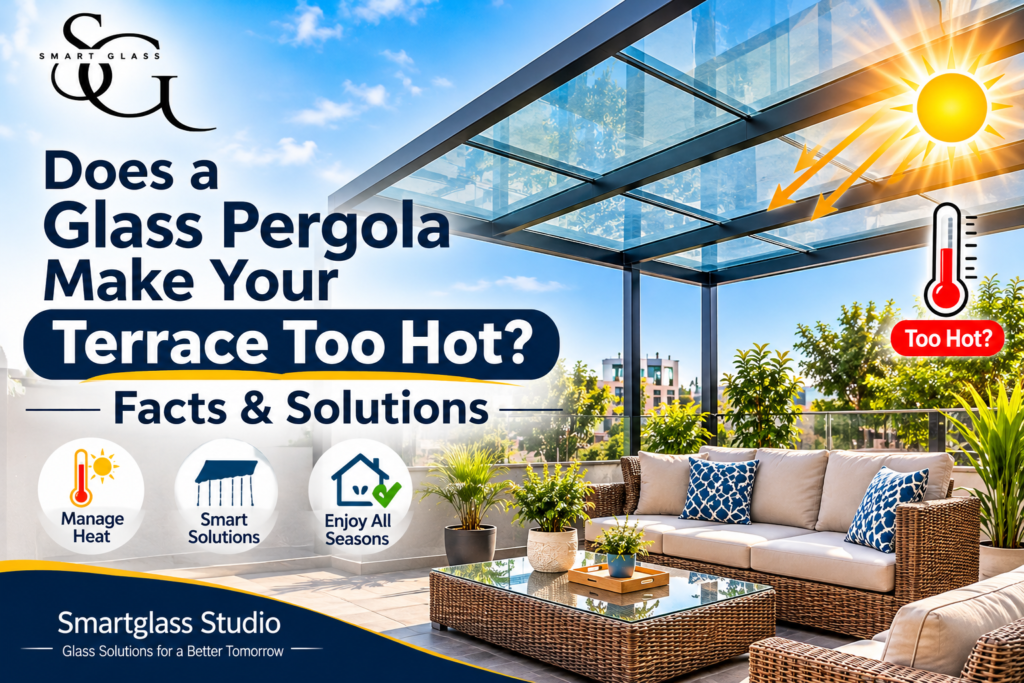
A glass pergola can transform an ordinary terrace into a beautiful and functional outdoor space. It allows natural daylight to enter, creates an elegant architectural appearance, and provides shelter from rain and other outdoor elements. However, one common question homeowners ask before installing a glass pergola is: Does a glass pergola make your terrace too hot during summer?
The answer depends on several factors, including the type of glass, roof design, ventilation, terrace orientation, and installation quality.
A glass pergola does not automatically make your terrace uncomfortable. With the right materials and thoughtful planning, you can create an outdoor space that receives natural light while managing unwanted heat.
In this guide, we will explain why glass pergolas can sometimes become hot, what factors affect their temperature, and how to make your glass-covered terrace more comfortable throughout the year.
Does a Glass Pergola Really Make Your Terrace Hot?
Yes, a glass pergola can increase heat beneath the roof, particularly when direct sunlight falls on it for several hours. Glass allows sunlight to pass through, and some of the solar energy can be absorbed by the surrounding floor, furniture, and other surfaces.
These surfaces may release heat into the covered area, making it feel warmer.
However, the actual temperature depends on the glass specification, sun exposure, ventilation, and overall pergola design.
For example, a terrace with a properly designed glass roof, suitable solar-control glazing, and adequate airflow can be more comfortable than one with an ordinary glass roof and poor ventilation.
The important point: Choosing the right glass and pergola design is more important than simply choosing a glass roof.
Why Does a Glass Pergola Become Hot?
Before selecting a glass pergola, it is useful to understand the main factors that can contribute to heat buildup.
Direct Sunlight Exposure
Glass roofs allow natural sunlight to enter the covered space. When a terrace receives strong afternoon sunlight, the floor, furniture, and surrounding surfaces can absorb solar energy.
This may increase the temperature beneath the pergola.
Incorrect Glass Selection
Not all glass products offer the same thermal performance. Standard clear glass may allow more solar heat into the covered area than specially designed solar-control glass.
Selecting glazing based only on appearance without considering solar performance can result in an uncomfortable space.
Poor Ventilation
A glass pergola with limited airflow may trap warm air underneath its roof.
When hot air cannot escape easily, the covered terrace can feel warmer, particularly during hot summer afternoons.
Terrace Direction and Sun Exposure
The direction of your terrace also matters.
- South- and west-facing terraces may receive strong sunlight during certain parts of the day.
- West-facing spaces can experience intense afternoon heat.
- Areas with partial shade may receive less direct solar exposure.
Considering the building’s orientation before installation can help determine the most suitable pergola design.
Effective Ways to Reduce Heat Under a Glass Pergola
If you want the beauty of a glass roof without excessive heat, consider these practical solutions.
1. Choose Solar-Control Glass
Solar-control glass is designed to reduce the amount of solar energy entering through the glazing while allowing natural daylight into the space.
Depending on the selected product, it can help reduce solar heat gain and improve indoor comfort.
Before choosing glass, check its technical specifications, including:
- Solar Heat Gain Coefficient (SHGC)
- Visible Light Transmittance (VLT)
- U-value
- Safety and glazing requirements
A lower SHGC generally means less solar heat enters through the glass. The ideal specification depends on your climate, orientation, and daylight requirements.
2. Consider Double-Glazed Glass
Double-glazed glass consists of two glass panes separated by a sealed air or gas-filled space.
It can improve thermal insulation compared with conventional single glazing, depending on the complete glass unit and its specifications.
For terraces where temperature control is an important consideration, discuss suitable insulated glazing options with your installation professional.
Remember that double glazing alone does not guarantee low solar heat gain. Solar-control coatings and the complete glazing specification also matter.
3. Install Proper Ventilation
Ventilation is one of the most important considerations when designing a comfortable glass pergola.
Consider incorporating:
- Openable side panels
- Sliding glass panels
- Ventilation openings
- Suitable gaps for natural airflow
- Ceiling fans where appropriate
Good airflow helps warm air escape and improves comfort beneath the pergola.
4. Use Outdoor Blinds or Retractable Shades
Outdoor blinds and retractable shading systems provide additional control over direct sunlight.
They can be particularly useful during peak summer hours when the terrace receives strong sunlight.
Depending on the design, you can open the shades during pleasant weather and close them when additional shade is required.
5. Select the Right Pergola Orientation
The position and direction of your glass pergola can influence how much sunlight enters the covered area.
Before installation, consider:
- Morning and afternoon sunlight patterns
- Nearby buildings and trees
- Existing terrace shade
- Seasonal sun movement
A well-planned design can help balance natural lighting and solar exposure.
6. Consider Reflective or Solar-Control Coatings
Specially coated glass can help manage solar radiation while maintaining a modern appearance.
Depending on the coating, it may reduce solar heat gain, glare, or both.
The selection should be based on actual performance data rather than appearance alone.
7. Add Landscaping and External Shade
Plants, pergola-side greenery, and strategically positioned outdoor shading can improve the overall comfort of a terrace.
For example, suitable plants near the pergola may provide partial shade and create a more pleasant outdoor environment.
External shading is particularly useful because it can block sunlight before it reaches the glass roof.
Which Glass Is Best for a Glass Pergola Roof?
Choosing the right glass is an important part of pergola installation. Different glass types offer different combinations of safety, thermal performance, appearance, and durability.
Here are some common options to discuss with your glass installation professional.
| Glass type | Main features |
|---|---|
| Toughened Glass | Safety glass with increased resistance to impact and thermal stress compared with ordinary annealed glass |
| Laminated Glass | Multiple glass layers bonded with an interlayer that helps hold fragments together if broken |
| Solar-Control Glass | Designed to reduce solar heat entering through the glazing |
| Double-Glazed Glass | Two panes with an insulating cavity to improve thermal performance |
For overhead pergola applications, glass safety is especially important.
The final selection should consider structural calculations, wind loads, glass thickness, support spacing, edge conditions, local building requirements, and overhead glazing safety standards.
Do not select glass thickness based only on appearance or price.
Glass Pergola vs Traditional Roof: Which Is Better for Summer?
Both glass pergolas and traditional solid roofs have advantages. The right choice depends on your priorities.
| Feature | Glass Pergola | Traditional Solid Roof |
|---|---|---|
| Natural Light | Allows daylight through | Usually blocks direct daylight |
| Modern Appearance | Contemporary and elegant | Depends on roofing material |
| Heat Management | Depends on glass and shading | Often provides more direct shade |
| Outdoor Experience | Open visual connection with surroundings | More enclosed appearance |
| Design Flexibility | Various glazing and shading options | Depends on construction |
| Maintenance | Requires regular glass cleaning | Depends on roofing material |
If your priority is natural light and a modern terrace design, a properly specified glass pergola can be a suitable option.
If maximum shade and minimum direct solar exposure are your main priorities, a solid insulated roof may be more appropriate.
Is a Glass Pergola Suitable for Indian Weather?
A glass pergola can be designed for Indian weather conditions, but material selection and engineering are essential.
Indian summers can bring intense sunlight, while monsoon weather introduces heavy rainfall and strong winds in some regions.
For a successful installation, consider the following:
During Summer: Select suitable solar-control glazing, provide ventilation, and consider retractable shading.
During Monsoon: Ensure proper roof slope, drainage channels, weatherproof joints, and suitable waterproofing details.
During Winter: A glass roof can allow natural sunlight into the covered space, making the terrace enjoyable during pleasant daytime weather.
During Strong Winds: The supporting aluminium or steel structure, glass specification, and fixing system should be designed for the applicable wind loads.
A professionally designed glass pergola should account for local weather conditions rather than relying on glass selection alone.
Important Things to Check Before Installing a Glass Pergola
Before investing in a glass pergola, discuss these points with your installer:
- What type of glass is suitable for your terrace?
- Does the proposed glass specification control solar heat?
- Is the structure designed for the required wind loads?
- Is there adequate ventilation?
- How will rainwater drainage be managed?
- Are the glass supports and fixing systems suitable for overhead installation?
- What maintenance will be required?
- Does the installation include proper waterproofing details?
Getting these details clarified before starting the project can help avoid unnecessary problems later.
Why Choose Professional Glass Pergola Installation?
A glass pergola is not simply a glass sheet fitted over a metal frame. It is a complete installation that requires proper planning, suitable materials, structural support, drainage, and accurate fitting.
Professional installation helps ensure that:
- The glass is selected according to the project requirements.
- The supporting frame is appropriately designed.
- Glass panels are installed with suitable fixing systems.
- Roof slope and drainage are properly planned.
- Weatherproofing details are addressed.
- The finished pergola complements the building’s architecture.
For homeowners planning a terrace renovation, working with an experienced glass pergola installation company can make the entire process easier.
Glass Pergola Installation by Smartglass Studio
Smartglass Studio provides modern glass solutions for residential and commercial spaces, including glass pergola installation services.
Whether you want to upgrade your terrace, create a stylish outdoor sitting area, or add a contemporary glass roof to your property, the right design and material selection can make a significant difference.
Our approach focuses on understanding your space, considering your design requirements, and recommending suitable glass and structural solutions for the project.
If you are planning a glass pergola for your home or commercial property in Faridabad, Delhi, Noida, Gurugram, or nearby Delhi NCR locations, contact Smartglass Studio to discuss your requirements.
Planning a Glass Pergola for Your Terrace?
Get in touch with Smartglass Studio to explore suitable glass pergola designs, material options, and professional installation solutions for your space.
Conclusion
A glass pergola does not have to make your terrace excessively hot. The overall comfort depends on selecting suitable glass, planning ventilation, controlling direct sunlight, and designing the structure according to local weather conditions.
From solar-control glazing to retractable shading systems, several practical solutions can help create a comfortable and attractive outdoor space.
If you are considering a glass pergola for your home or commercial property, plan the installation carefully and choose materials according to your requirements.
Frequently Asked Questions (FAQs)
1. Does a glass pergola make a terrace hotter in summer?
It can increase heat beneath the roof because sunlight passes through the glass. However, solar-control glazing, proper ventilation, and external shading can help reduce heat buildup.
2. Which glass is best for a pergola roof?
The suitable option depends on safety, structural requirements, sunlight exposure, and thermal performance. Laminated safety glazing with appropriate solar-control properties may be considered for overhead applications.
3. Can a glass pergola block sunlight?
Solar-control and tinted glass can reduce solar transmission while allowing some natural daylight to enter. The exact performance depends on the selected glazing.
4. Is a glass pergola waterproof?
A properly designed and installed glass pergola can provide rain protection. However, waterproofing depends on roof slope, drainage, seals, joints, and installation quality.
5. Is double-glazed glass better for a pergola?
Double glazing can improve thermal insulation, but its effectiveness against solar heat depends on the complete glass specification and coatings.
6. Can I use a glass pergola throughout the year?
Yes, with appropriate glazing, ventilation, shading, and weather-resistant structural design, a glass pergola can be used in different seasons.
7. How do I reduce heat under an existing glass pergola?
You can consider outdoor blinds, retractable shades, suitable ventilation, and professionally assessed solar-control solutions.
8. Where can I get glass pergola installation in Faridabad?
Smartglass Studio offers glass solutions and installation services in Faridabad and nearby Delhi NCR locations. Contact the team to discuss your terrace dimensions, design preferences, and installation requirements.